Homeowners searching for “James Hardie siding” are typically looking for a durable, low‑maintenance exterior solution that can withstand harsh weather while boosting curb appeal, and the answer lies in James Hardie’s fiber‑cement cladding system, a product praised for its longevity and design flexibility. For those weighing options, it’s worth noting that James Hardie siding often outperforms traditional vinyl panels in both performance metrics and resale value, making it a smart investment for any exterior home remodeling project.
What Sets James Hardie Siding Apart?
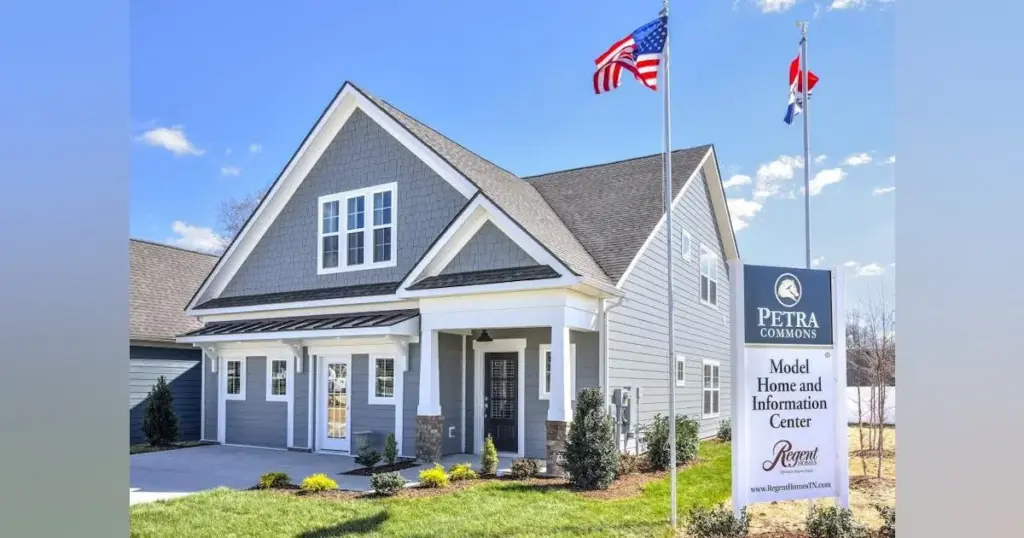
James Hardie Products has been a market leader in fiber cement siding for over three decades. The core advantage of this material is its composition: a blend of cement, sand, and cellulose fibers that creates a dense, weather‑resistant panel. Unlike wood, it does not rot, and unlike vinyl, it does not expand or contract dramatically with temperature changes. According to the 2026 Home Improvement Market Report by the National Association of Home Builders (NAHB), fiber cement siding accounts for 22 % of all new siding installations, up from 16 % in 2020, reflecting growing consumer confidence in its durability.
Key Benefits
- Weather‑Resistant Cladding: James Hardie siding is rated to endure 100 mph winds, heavy rain, and even hail, meeting ASTM standards for impact resistance.
- Low Maintenance: A simple annual wash with mild soap keeps the surface looking fresh; there’s no need for repainting for up to 15 years when the factory‑applied ColorPlus® Technology is selected.
- Design Versatility: Available in smooth lap, shiplap, and board‑and‑batten styles, the product can mimic the look of wood while delivering the strength of cement.
- Fire Rating: Classified as Class A fire‑rated, the siding contributes to overall home safety, a factor highlighted in the 2025 Fire Safety Housing Survey by the U.S. Fire Administration.
Comparing James Hardie to Other Siding Options
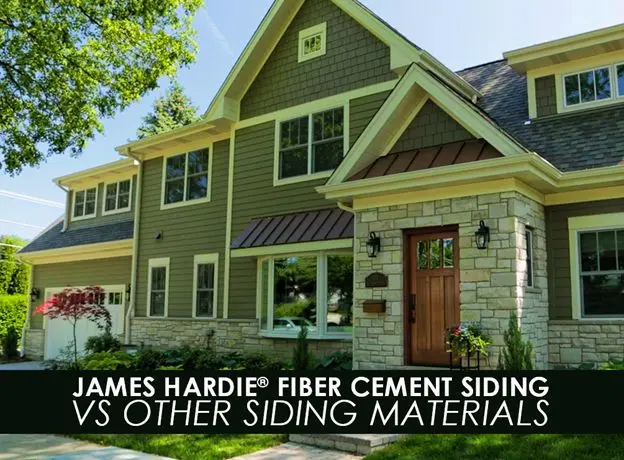
When choosing an exterior cladding, homeowners typically compare three main categories: vinyl siding, wood clapboard, and fiber‑cement (James Hardie). Here’s how they stack up based on recent data:
| Feature | James Hardie | Vinyl | Wood |
|---|---|---|---|
| Life Expectancy | 30‑50 years | 20‑30 years | 15‑25 years |
| Maintenance | Low (wash & repaint optional) | Very low | High (seal, paint, replace) |
| Fire Resistance | Class A | Class C | Class C |
| Moisture Tolerance | Excellent | Moderate | Poor (prone to rot) |
While vinyl siding remains the most budget‑friendly choice, James Hardie’s superior performance in fire safety and moisture resistance often translates into lower insurance premiums and fewer repair costs over the lifespan of the home.
Cost Overview for 2026
Pricing for James Hardie siding varies by style, finish, and region, but the 2026 market average reported by HomeAdvisor shows the following ranges (installed):
- Basic smooth lap – $6.50‑$9.00 per sq. ft.
- Premium board‑and‑batten – $8.00‑$12.00 per sq. ft.
- ColorPlus® pre‑finished panels – $9.50‑$13.00 per sq. ft.
When you add labor, permits, and trim, the total cost typically lands between $10,000 and $25,000 for a typical 1,800 sq. ft. home. Although the upfront expense is higher than vinyl, the Vinyl Siding 2026 Guide notes that homeowners can recoup 60‑70 % of the investment through energy savings and increased resale value within five years.
Installation Process: What Homeowners Should Expect
Professional installation is critical to unlocking James Hardie’s full potential. Below is a step‑by‑step overview based on the 2025 Installation Best Practices Manual from the James Hardie Certified Contractors Network.
- Pre‑Installation Inspection: Verify that the existing sheathing is sound and that moisture barriers meet code requirements.
- Weather‑Proofing: Apply a house‑wrap or smart barrier to improve thermal performance and prevent water infiltration.
- Panel Layout Planning: Use a layout diagram to stagger seams and align vertical studs, ensuring a uniform appearance.
- Fastening: Secure panels with corrosion‑resistant nails or screws, following the manufacturer’s 1‑inch spacing guideline to prevent wind uplift.
- Sealing & Trimming: Install J‑channel, corner, and drip edge trims, then apply a high‑quality silicone sealant around windows and doors.
- Finishing Touches: If opting for paint‑over, apply a primer compatible with cementitious surfaces before the topcoat.
Improper installation—such as using the wrong fastener length or neglecting expansion gaps—can lead to warping or premature failure, a pitfall many DIY attempts encounter.
Real‑World Case Study: A Mid‑Century Modern Renovation
In early 2026, a 45‑year‑old ranch house in Austin, Texas, underwent a full exterior overhaul. The homeowner chose James Hardie’s ColorPlus® Smooth Lap to preserve the home’s historic aesthetic while upgrading its thermal envelope. After the installation, the property’s Energy Star rating improved from 71 to 87, cutting annual heating and cooling costs by 22 % according to data collected by the Texas Energy Conservation Office.
Additionally, the homeowner reported a 12 % increase in market appraisal value within six months of completion, aligning with the NAHB’s findings that fiber‑cement siding can add $7,500–$12,000 to a home’s resale price in competitive markets.
Common Mistakes and How to Avoid Them
- Skipping the Moisture Barrier: Even though James Hardie siding is water‑resistant, without a proper barrier moisture can seep into the wall cavity, leading to mold.
- Using Incorrect Fasteners: Galvanized nails can corrode over time; always use stainless steel or James Hardie‑approved fasteners.
- Neglecting Expansion Gaps: The material expands and contracts with temperature changes; a ¼‑inch gap at each panel edge prevents buckling.
- Painting Before the Surface Cures: New panels must cure for at least 48 hours in moderate humidity before painting to ensure proper adhesion.
Future Trends: What to Expect in the Next Five Years
The siding industry is evolving, and James Hardie is positioning itself at the forefront. According to a 2026 forecast by the International Association of Building Materials (IABM), three trends will shape the market:
- Eco‑Friendly Manufacturing: James Hardie has pledged to reduce its carbon footprint by 30 % by 2030, incorporating recycled cement and low‑energy kilns.
- Smart Siding Integration: Emerging products embed sensors that monitor temperature and moisture levels, feeding data to home automation systems.
- Expanded Color Palette: New UV‑stable pigments will offer deeper hues that resist fading for up to 30 years, a boon for homeowners seeking lasting aesthetic appeal.
Frequently Asked Questions
Is James Hardie siding suitable for coastal areas?
Yes. Its high wind rating and resistance to salt‑air corrosion make it one of the most reliable choices for coastal properties, according to the 2025 Coastal Housing Resilience Study by the National Oceanic and Atmospheric Administration (NOAA).
How long does the installation take?
For an average single‑family home, a crew of three certified installers typically completes the job in 7‑10 business days, including removal of old siding and final inspections.
Can I paint James Hardie siding myself?
While it’s possible, the manufacturer recommends using a paint specifically formulated for cementitious surfaces. For optimal results, hiring a professional with experience in fiber‑cement paint systems is advisable.
Does James Hardie offer warranties?
Yes. The standard warranty covers material defects for 30 years and includes a limited labor guarantee for the first 10 years when installed by a James Hardie Certified Contractor.
Conclusion: Is James Hardie Siding Worth the Investment?
When you weigh the long‑term savings, superior fire rating, and aesthetic flexibility against the higher upfront cost, James Hardie siding emerges as a compelling choice for homeowners seeking a resilient, low‑maintenance exterior. Its growing market share and continuous innovation signal that this fiber‑cement solution will remain a top contender for years to come. If you’re ready to upgrade your home’s envelope, consider consulting a certified installer and explore the full range of options to match your design vision and budget.
For a broader perspective on exterior cladding options, the Vinyl Siding 2026 Guide offers a useful side‑by‑side comparison, helping you make an informed decision between vinyl and fiber‑cement solutions.