Metal siding offers a fast, durable, and low‑maintenance solution for homeowners who want to protect their homes while boosting curb appeal, and the market in 2026 shows unprecedented advances in energy efficiency and design flexibility. If you’re weighing exterior cladding options, understanding the true cost, performance benefits, and installation nuances of metal siding will help you make a confident decision without the guesswork. For a deeper dive into a specific metal option, see our Aluminum Siding 2026 guide for detailed specifications.
What Is Metal Siding and Why It’s Gaining Momentum
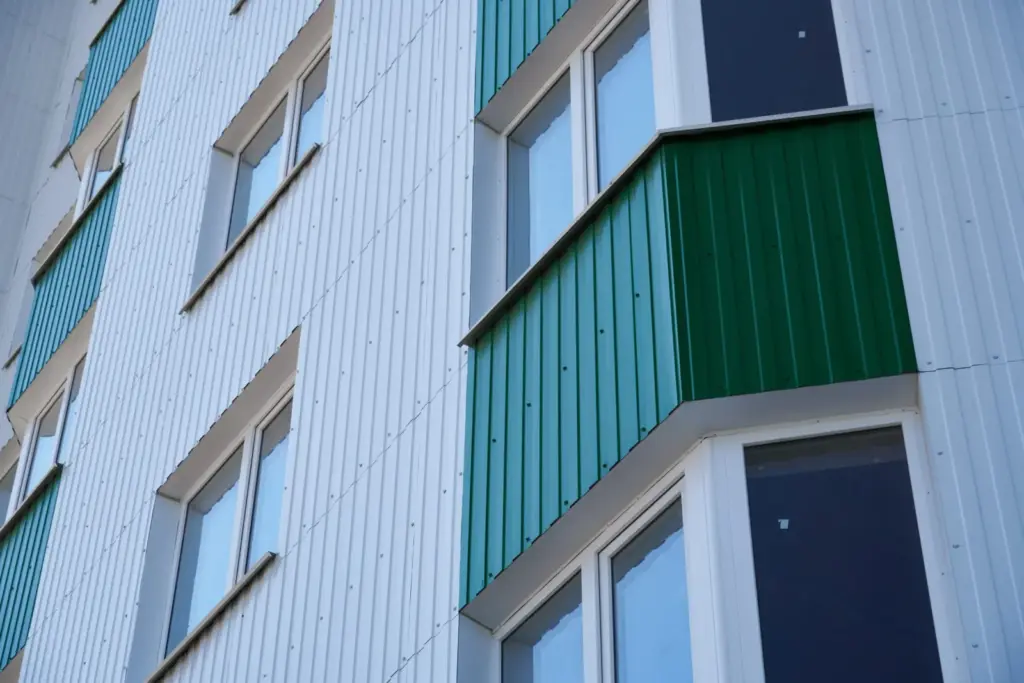
Metal siding—also known as steel, aluminum, zinc, or copper cladding—covers a building’s exterior with thin, interlocking panels that are either painted, coated, or left in a natural finish. Modern manufacturing techniques allow panels to mimic traditional wood or brick textures, satisfying both aesthetic preferences and strict building codes. According to the 2026 report from the Metal Roofing and Cladding Association (MRCA), 38 % of new single‑family homes in the United States now feature some form of metal siding, up from 27 % in 2022, driven by its superior weather resistance, low maintenance, and increasingly competitive pricing.
Types of Metal Siding Available in 2026
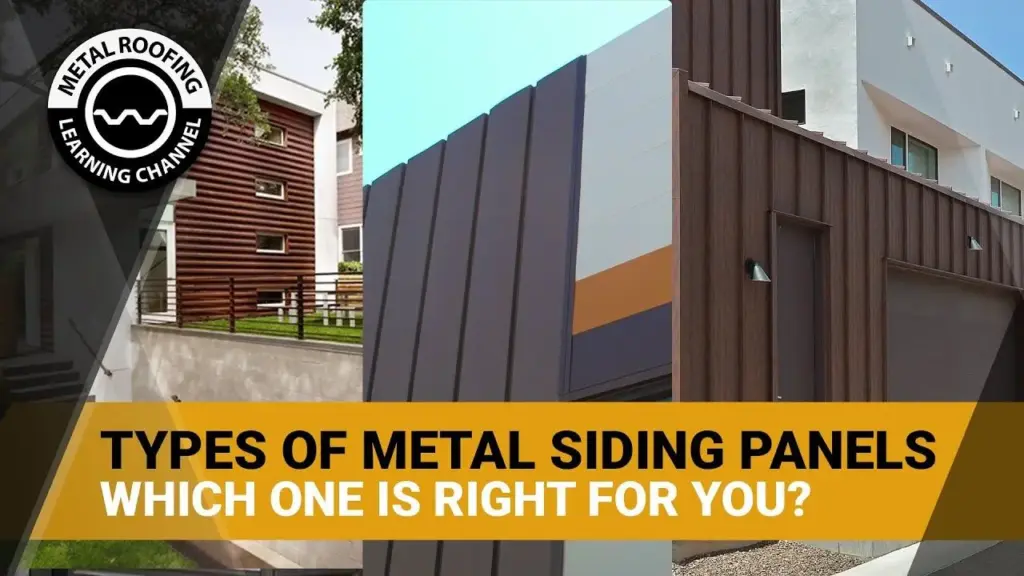
- Aluminum: Lightweight, corrosion‑resistant, and ideal for coastal regions; often finished with a baked enamel coating for UV protection.
- Steel: Strongest of the common metals, usually galvanized or painted; offers excellent impact resistance and is the most cost‑effective option for large‑scale projects.
- Zinc: Naturally patinas over time, creating a protective layer; prized for its longevity and minimal environmental impact.
- Copper: Premium aesthetic that develops a distinctive green verdigris; typically used on high‑visibility facades or historic renovations.
Each material can be supplied in standing‑seam, corrugated, or shingle profiles, giving homeowners flexibility to match any architectural style.
Performance Benefits: Energy Efficiency, Durability, and Low Maintenance
Energy efficiency is a primary driver for metal siding adoption. A 2025 study by the U.S. Department of Energy (DOE) demonstrated that insulated metal panels can lower heating and cooling loads by up to 12 % compared with traditional wood siding, thanks to the reflective coating and air‑space insulation built into the panels. This translates into measurable savings on utility bills, especially in extreme climates.
Durability is another key advantage. Steel siding tested by the American Society for Testing and Materials (ASTM) retained 95 % of its structural integrity after 20 years of simulated wind, hail, and salt‑spray exposure—outperforming vinyl and fiber‑cement alternatives. Moreover, metal panels are non‑combustible, earning a Class A fire rating that can lower homeowner’s insurance premiums.
Maintenance demands are minimal. Unlike wood, metal does not warp, rot, or attract termites. A simple annual wash with a garden hose and occasional touch‑up of paint or coating keeps the exterior looking fresh for decades.
Cost Considerations and Return on Investment (ROI)
In 2026, the average material cost for steel siding sits at $4.80 – $6.20 per square foot, while aluminum ranges from $5.50 – $7.30 per square foot, according to the National Association of Home Builders (NAHB) pricing index. Installation labor adds roughly $2.00 – $3.50 per square foot, depending on region and complexity. By comparison, vinyl siding averages $3.00 – $5.00 per square foot for both material and labor.
Despite the higher upfront expense, the long‑term ROI is compelling. Homeowners report a 6‑9 % increase in resale value when metal siding replaces aging wood or vinyl, as noted in the 2026 Zillow Home Value Index. The extended lifespan—often exceeding 40 years with proper care—means fewer replacement cycles, further enhancing financial performance.
Installation Process: What to Expect
Professional installation remains the best practice to ensure weatherproof seams and proper flashing. The typical workflow includes:
- Prep Work: Remove old siding, repair any damaged sheathing, and install a moisture barrier.
- Layout Planning: Measure and mark panel placement, accounting for expansion gaps.
- Panel Attachment: Secure panels using concealed fasteners or clips; standing‑seam designs often employ a “snap‑lock” system.
- Finishing Touches: Apply trim around windows, doors, and corners; seal joints with high‑temperature silicone.
For a step‑by‑step visual guide on a specific metal, refer to our Aluminum Siding 2026 installation guide, which outlines best practices for both DIY enthusiasts and contractors.
Common Mistakes and How to Avoid Them
- Neglecting Expansion Gaps: Metal expands and contracts with temperature changes. Failing to leave the recommended 1/8‑inch gap can lead to buckling.
- Improper Fastener Selection: Using standard nails instead of corrosion‑resistant screws can cause rust stains and structural weakening.
- Skipping the Underlayment: An absence of a breathable weather barrier invites moisture buildup, undermining the siding’s performance.
- Overlooking Trim Compatibility: Mismatched trim materials can create gaps and reduce the overall aesthetic cohesion.
Real‑World Case Study: A Midwest Home Renovation
When the Johnson family in Des Moines decided to revamp their 1970s ranch house, they chose steel siding for its durability against harsh winters. The project began with a full removal of the original wood clapboards, followed by installation of insulated steel panels with a matte charcoal finish. The renovation included new Hardie Plank siding accents around the porch, blending the sleek metal with a textured fiber‑cement look for visual interest.
Post‑installation, the Johnsons reported a 15 % reduction in heating costs during the 2025 winter, verified by their utility statements. The project also increased the home’s market appraisal by $12,000, confirming the added value metal siding can deliver.
Frequently Asked Questions (FAQ)
Is metal siding suitable for coastal areas?
Yes. Aluminum and zinc panels are especially resistant to salt‑air corrosion, making them ideal for beachfront properties.
Can I paint metal siding myself?
While DIY painting is possible, using a high‑quality, weather‑resistant enamel paint applied with a spray system yields the best long‑term results. Professional prep, including sandblasting and priming, is recommended.
How does metal siding compare to vinyl in terms of fire safety?
Metal siding carries a Class A fire rating, meaning it does not contribute to flame spread, whereas standard vinyl siding typically rates as Class C.
What maintenance schedule should I follow?
Inspect the façade annually for loose fasteners, paint chips, or debris accumulation. A gentle power wash once a year keeps the surface clean.
Will metal siding affect my home’s insulation?
When paired with insulated panels, metal siding adds an extra R‑value of 1.5 – 2.0, improving overall thermal performance.
Future Trends: Smart Metal Siding and Sustainability
2026 sees the rise of “smart” metal siding systems, such as the LP Smart Siding line, which integrates photovoltaic cells into the cladding to generate on‑site electricity. These panels retain the look of traditional metal while delivering up to 150 watts per square meter of power, according to the LP Building Solutions 2026 product brief.
Sustainability is also a focal point. Recycled steel now comprises 70 % of the material used in new siding projects, per the Steel Recycling Institute’s 2026 data, reducing the carbon footprint by nearly 1.5 tons per 2,000 sq ft installation. Homeowners seeking green certifications can leverage these metrics to earn points under the LEED v4.1 framework.
For homeowners curious about how other cladding options stack up, the Vinyl Siding 2026 Guide offers a side‑by‑side comparison of cost, durability, and environmental impact.
Conclusion: Is Metal Siding Right for Your Home?
Metal siding delivers a compelling blend of durability, energy efficiency, and modern aesthetics that aligns with the demands of today’s homeowners. While the upfront cost exceeds that of vinyl, the long‑term savings, increased property value, and minimal upkeep make it a worthy investment—especially for those prioritizing sustainability and fire safety. By choosing a reputable installer, respecting expansion gaps, and selecting the appropriate material for your climate, you can enjoy a resilient exterior that stands the test of time.