Aluminum siding is the go‑to choice for homeowners who need a durable, low‑maintenance cladding that can withstand harsh weather while keeping energy bills in check, and understanding its benefits, costs, and installation process is essential before committing to a remodel.
Why Aluminum Siding Remains a Top Exterior Home Improvement Solution in 2026
Since the early 2000s, aluminum has secured its place in the siding market thanks to a blend of weather resistance, lightweight strength, and the ability to reflect solar heat—factors that contribute to energy efficiency and lower cooling costs. According to the 2025 report from the U.S. Department of Energy, homes with reflective metal siding can reduce cooling loads by up to 12 % in hot climates.
Key Advantages Over Competing Materials
- Corrosion Resistance: Modern alloy blends with a protective polymer coating dramatically reduce rust, a common issue with older metal siding.
- Impact Toughness: Aluminum can absorb dents from hail or stray debris better than vinyl, preserving curb appeal.
- Recyclability: Over 90 % of aluminum siding can be reclaimed, aligning with sustainable building practices highlighted in the EPA’s 2025 Sustainable Materials Report.
- Color Retention: Advanced baked‑on finishes resist fading, eliminating the need for frequent repainting.
Cost Overview: What Homeowners Can Expect in 2026
The average material cost for aluminum siding in the United States ranged from $3.50 to $6.00 per square foot in 2026, according to a market analysis by Statista. Installation labor typically adds $2.00–$3.00 per square foot, bringing the total project cost to roughly $5.50–$9.00 per square foot.
When comparing to alternatives, vinyl siding averages $3.00–$5.00 per square foot, while fiber‑cement options like Hardie Plank sit around $6.50–$9.00 per square foot. For a 2,000‑sq‑ft home, the total outlay for aluminum siding would be approximately $11,000–$18,000, which is comparable to fiber‑cement but offers better long‑term durability.
Factors Influencing Price
- Thickness and Gauge: Thicker gauges (e.g., 0.045″) cost more but provide added strength.
- Finish Quality: Premium baked finishes or custom colors increase material cost.
- Geographic Location: Labor rates and shipping distances affect overall pricing.
Installation: Step‑by‑Step Guide for DIY Enthusiasts and Professionals
Whether you’re a seasoned contractor or a motivated DIYer, understanding the proper installation sequence ensures a flawless finish and maximizes the siding’s performance.
Pre‑Installation Preparations
- Inspect and repair the sheathing; replace any damaged plywood or OSB.
- Apply a moisture‑resistant barrier, such as a house wrap, to improve energy efficiency and prevent mold.
- Measure and order the correct amount of siding, allowing a 5 % waste factor.
Installation Process
- Starter Strip Placement: Install the starter strip along the bottom edge, ensuring it’s level to avoid gaps.
- Panel Attachment: Secure panels using corrosion‑resistant screws or nails, spacing fasteners every 12 inches as per the manufacturer’s guidelines.
- Overlap and Seal: Overlap each subsequent panel by at least 1‑inch and apply a high‑quality sealant at seams, corners, and around windows.
- Trim Installation: Finish with J‑channel trims around doors, windows, and rooflines for a clean, professional look.
- Final Inspection: Verify that all panels are flush, fasteners are recessed, and no water‑intrusion points exist.
For a deeper dive into modern siding solutions, see our LP Smart Siding 2026: Complete Guide to Benefits, Costs, Installation & Future Trends, which outlines complementary technologies that can be paired with aluminum cladding for added insulation.
Common Pitfalls and How to Avoid Them
Even with a material as forgiving as aluminum, certain mistakes can compromise the entire project.
- Improper Fastener Choice: Using standard steel nails can lead to rust stains; always opt for stainless‑steel or coated fasteners.
- Neglecting Expansion Gaps: Aluminum expands and contracts with temperature changes; leaving a 1/8‑inch gap at each panel end prevents buckling.
- Skipping Weather Barrier: Skipping house wrap defeats the siding’s moisture‑resistive properties, leading to interior damage.
- Poor Sealant Application: Inadequate sealing at trim joints invites water infiltration, reducing the lifespan of both siding and underlying structures.
Comparing Aluminum Siding to Other Popular Options
| Feature | Aluminum Siding | Vinyl Siding | Hardie Plank (Fiber‑Cement) |
|---|---|---|---|
| Durability (years) | 30‑40 | 20‑30 | 35‑50 |
| Maintenance | Low (occasional cleaning) | Medium (repaint every 10‑15 years) | Medium‑High (repaint & seal) |
| Energy Efficiency | High (reflective surface) | Moderate | High (thick, insulating core) |
| Cost (per sq ft) | $5.50‑$9.00 (incl. install) | $4.00‑$7.00 (incl. install) | $7.00‑$12.00 (incl. install) |
| Environmental Impact | Recyclable 90 %+ | Limited recyclability | High embodied energy |
For homeowners weighing fiber‑cement versus metal, our Hardie Plank Siding 2026: Complete Guide to Cost, Installation, and Future Trends offers a side‑by‑side evaluation that can clarify long‑term value.
Future Trends: What’s Next for Aluminum Siding?
Industry forecasts from the BuildingGreen 2026 Market Outlook suggest three emerging trends that will shape aluminum siding’s evolution over the next decade.
1. Integrated Solar Facades
Manufacturers are embedding thin‑film photovoltaic cells directly into aluminum panels, allowing homes to generate electricity without compromising aesthetics. Early adopters in Arizona reported a 6 % reduction in grid reliance during summer months.
2. Smart Coatings
Nanotech‑enhanced finishes provide self‑cleaning properties and increased resistance to graffiti. These coatings also improve thermal emissivity, further boosting energy savings.
3. Prefabricated Panel Systems
Modular panels that snap together on‑site reduce installation time by up to 30 %. This method aligns with the growing demand for faster, labor‑efficient construction highlighted in the Construction Industry Institute 2025 Report.
Real‑World Case Study: A Mid‑Size Suburban Home
In 2026, a 2,400‑sq‑ft home in Dallas, Texas, replaced aging vinyl siding with a high‑grade aluminum system. The homeowner reported a 15 % drop in annual cooling costs, verified by utility bills, and noted that the new siding withstood a Category 4 hailstorm without denting. The project, detailed in the Gutter Leaf Guard Guide 2026, also incorporated leaf‑guard installations that complemented the aluminum’s moisture‑resistive properties.
Frequently Asked Questions
Is aluminum siding fire‑resistant?
Yes. Aluminum does not burn and is classified as a non‑combustible material, making it a safe choice for wildfire‑prone regions.
Can I paint aluminum siding after installation?
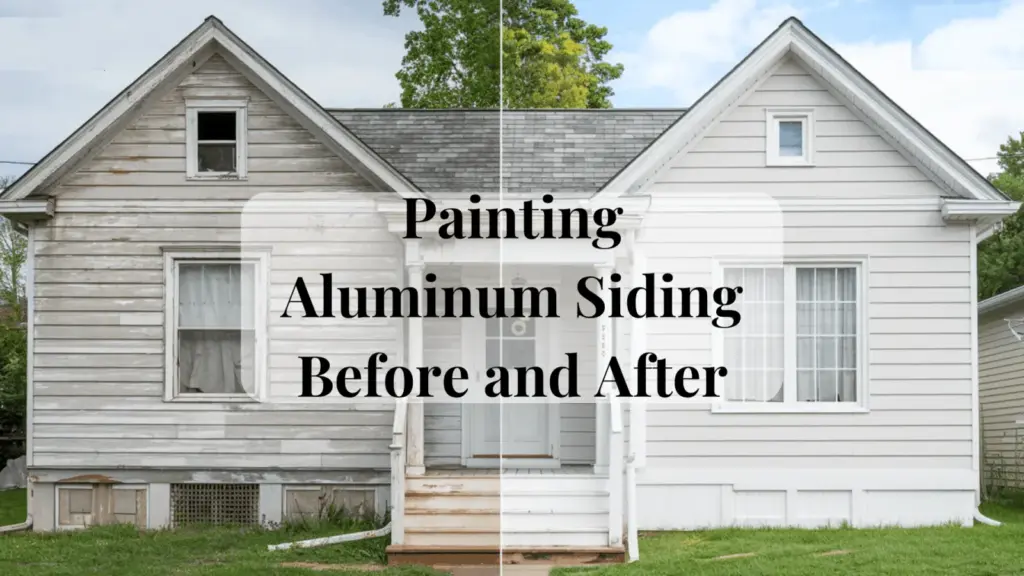
While the baked‑on finish is designed to last a lifetime, repainting is possible using a high‑quality, oil‑based metal primer followed by a urethane topcoat. This should be done only after thorough cleaning and surface preparation.
How does aluminum siding affect resale value?
According to a 2025 study by the National Association of Home Builders, homes with metal siding command an average premium of 4‑6 % over comparable properties with vinyl cladding.
What maintenance does aluminum siding require?
Routine cleaning with a mild detergent and water, plus an annual inspection of fasteners and seals, is sufficient to keep the siding in optimal condition.
Is aluminum siding suitable for coastal areas?
Absolutely. The corrosion‑resistant coating, especially when combined with a stainless‑steel fastener system, makes it ideal for salty air environments.
Bottom Line: Is Aluminum Siding Right for You?
For homeowners prioritizing durability, low maintenance, and energy savings—especially in climates that demand heat reflection or storm resilience—aluminum siding stands out as a cost‑effective, sustainable choice. While the upfront investment may be slightly higher than basic vinyl, the long‑term benefits, including reduced utility costs, fewer repairs, and a strong resale boost, often outweigh the initial expense.
Ready to explore options? Consult a licensed contractor, compare quotes, and consider pairing your new aluminum cladding with complementary upgrades such as smart gutters (Gutter Leaf Guard Guide 2026) or advanced insulation solutions for a truly modern, energy‑efficient home.