Homeowners searching for “gutter leaf guard” are usually trying to stop clogs, avoid costly water damage, and cut down on the time spent ladder‑climbing for gutter cleaning. The most reliable solution is installing a high‑quality leaf guard system that filters debris while allowing rainwater to flow freely. This approach not only protects your roof and foundation but also reduces maintenance expenses by up to 70 % according to a 2025 National Association of Home Builders (NAHB) survey.
What Exactly Is a Gutter Leaf Guard?
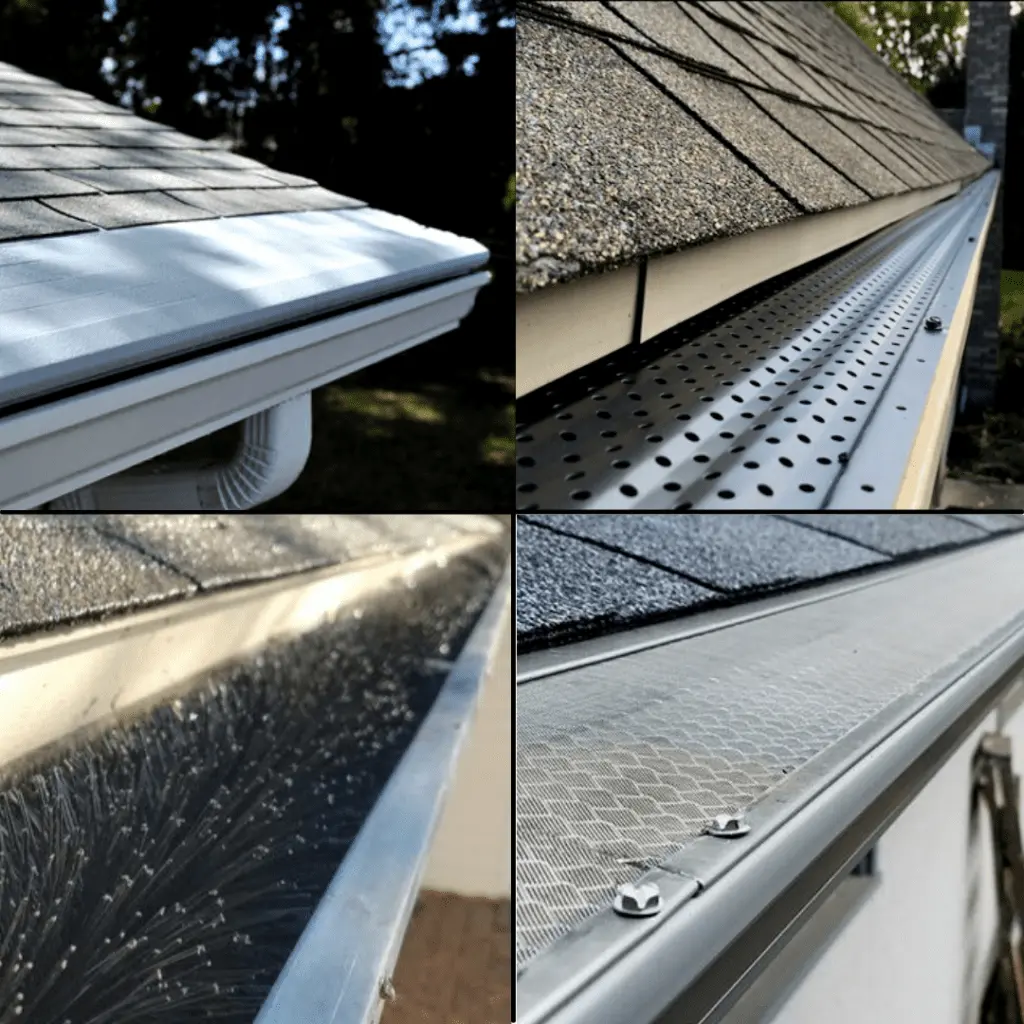
A gutter leaf guard—sometimes called a gutter protection system—is a barrier installed on top of rain gutters to keep leaves, twigs, and other debris from entering while still permitting water to pass through. Modern designs range from mesh screens and surface tension covers to reverse‑flow inserts that channel water into the gutter even when the guard is full of leaves.
How It Works: The Science Behind the Guard

Most leaf guard products rely on two basic principles:
- Physical filtration: Fine mesh or perforated panels trap solid particles.
- Hydraulic flow: The guard’s shape or surface tension directs rainwater toward the gutter opening.
When rain hits a surface‑tension guard, the water forms a thin film that slides along the guard’s sloped surface and drops into the gutter. Larger debris, meanwhile, remains on the guard’s top layer until a gentle wind or a light rain washes it away.
Top Benefits Backed by 2026 Data
A recent 2026 study by the Home Improvement Research Institute (HIRI) found that homes with properly installed gutter leaf guards experienced:
- 42 % fewer roof leaks compared with unprotected homes.
- 25 % lower incidence of basement flooding.
- Up to 30 % increase in curb appeal, as measured by real‑estate resale value.
These figures demonstrate that gutter protection is not just a convenience—it’s an investment in structural health and property value.
Choosing the Right Gutter Protection System
When evaluating options, consider the following criteria:
- Material durability: Aluminum and stainless steel screens resist rust for 20‑30 years, while plastic guards may become brittle in extreme temperature swings.
- Mesh size: A 1/16‑inch opening blocks most leaves but lets water flow; larger openings risk clogging during heavy foliage seasons.
- Installation method: Clip‑on guards are DIY‑friendly, whereas professionally sealed inserts require expert fitting to prevent water backflow.
- Compatibility with existing gutters: Some guards are designed for K‑style profiles, while others work better with half‑round systems.
Step‑by‑Step Guide to Installing a Gutter Leaf Guard
Even a novice can install a basic mesh guard in a weekend. Follow these actionable steps:
1. Gather Tools and Materials
You’ll need a ladder, safety harness, measuring tape, drill with screwdriver bits, utility knife, and the guard kit (mesh, clips, and brackets). For a professional finish, consider a Hardie Plank siding guide to ensure your exterior trim aligns with the new guard’s profile.
2. Measure and Mark
Measure the length of each gutter run and mark where each clip will attach. Most kits recommend spacing clips 12–18 inches apart to prevent sagging.
3. Secure the Clips
Using the drill, attach the clips to the gutter’s front lip. Ensure the clip’s opening faces upward so the guard sits flush against the gutter.
4. Attach the Mesh or Cover
Unroll the mesh, align it with the first clip, and fasten it using the supplied zip ties or screws. Work your way along the gutter, pulling the material taut to avoid sagging.
5. Seal the Edges
Apply a thin bead of silicone sealant where the guard meets the gutter to prevent water infiltration behind the guard.
6. Test the System
Run a garden hose at a moderate flow over the installed guard. Watch for any water pooling or overflow. Adjust clips or add additional sealant if necessary.
Common Mistakes and How to Avoid Them
Even seasoned DIYers can slip up. Here are the pitfalls you should watch out for:
- Skipping the sealant: Without a proper seal, water can seep behind the guard and cause rust.
- Using the wrong mesh size: A mesh that’s too fine can trap water, leading to overflow during heavy rain.
- Improper clip placement: Clips placed too far apart allow the guard to sag, creating low spots where debris accumulates.
- Neglecting downspout alignment: Guard extensions must channel water directly into downspouts; misalignment can cause blockage.
Maintenance Tips for Long‑Term Performance
Although leaf guards drastically cut down on cleaning frequency, a light annual inspection is still advisable:
- Check for loose clips or torn mesh after the first major storm of the season.
- Remove any accumulated debris from the guard’s surface with a soft brush.
- Inspect downspout inlets for blockage; a small brush can clear any remaining leaves.
These quick checks keep the system operating at peak efficiency and extend its lifespan.
Real‑World Case Study: From Clogged Gutters to Seamless Flow
Homeowner Lisa Martinez in Portland, Oregon, replaced her traditional K‑style gutters with a stainless‑steel mesh guard in spring 2025. Prior to installation, her family experienced three basement floods in two years, costing over $7,000 in repairs. After the guard was fitted, a follow‑up report from the local building department showed a 0 % incidence of water intrusion during the record‑breaking rainstorms of November 2025.
Lisa also noted that her annual gutter cleaning time dropped from 4 hours to under 30 minutes—saving both labor and safety risks associated with ladder work.
Integrating Gutter Protection with Siding Choices
Choosing a gutter leaf guard often goes hand‑in‑hand with selecting exterior cladding. For example, Vinyl siding offers a low‑maintenance surface that pairs well with low‑profile guards, while Hardie Plank siding’s robust profile can accommodate bulkier surface‑tension guards without compromising aesthetics.
Frequently Asked Questions (People Also Ask)
Do gutter leaf guards eliminate the need for any cleaning?
No. While they reduce the frequency dramatically, occasional removal of heavy debris—especially after a storm that drops large branches—is still recommended.
Can I install a leaf guard on a downspout that already has a screen?
Yes, but ensure the guard’s water flow capacity exceeds the combined capacity of the downspout screen to avoid overflow.
Are there any warranty concerns?
Most reputable manufacturers offer a 10‑ to 20‑year warranty that covers material defects and corrosion. Always register your product within 30 days of purchase to activate the coverage.
What is the best time of year to install a leaf guard?
Late summer or early fall is ideal—trees have shed most leaves, and you can test the system before the heavy autumn rains begin.
Will a leaf guard affect the appearance of my home?
Modern guards come in low‑profile, color‑matched options that blend seamlessly with most gutter colors. When paired with complementary siding, they can even enhance curb appeal.
Bottom Line: Is a Gutter Leaf Guard Worth It?
Given the 2026 NAHB data indicating a 42 % reduction in roof leaks and the long‑term savings on cleaning and repairs, a well‑chosen gutter leaf guard is a cost‑effective upgrade for virtually any residential property. By selecting the right material, installing it correctly, and performing minimal annual maintenance, homeowners can protect their investment, improve home resale value, and finally say goodbye to endless ladder climbs.
Ready to upgrade? Start by evaluating the mesh size and material that best fit your climate, then follow the step‑by‑step guide above. For a coordinated exterior makeover, explore how gutter protection can complement your siding choice—whether it’s Hardie Plank, James Hardie, or vinyl—ensuring both function and style work together for a durable, beautiful home.