Looking for a way to give your home the timeless, rugged charm of real stone without the massive weight and price tag? Stone veneer siding delivers that authentic stone look, provides excellent weather resistance, and can be installed over most existing exterior walls, making it a top choice for homeowners who want high‑impact curb appeal on a realistic budget.
What Is Stone Veneer Siding and Why It’s Gaining Popularity in 2026
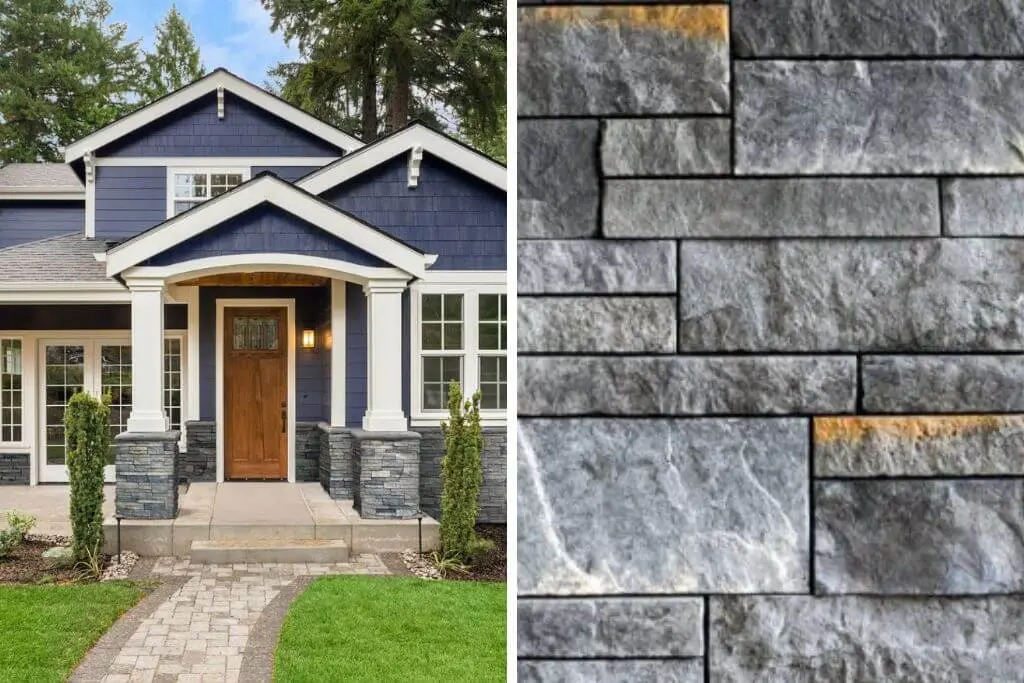
Stone veneer siding is a thin, lightweight panel that mimics natural stone. It is typically made from a blend of cement, aggregates, and polymers, then molded and painted to resemble limestone, slate, or fieldstone. Compared to full‑depth stone, veneer weighs between 20–30 lb per square foot, allowing it to be applied to wood framing, masonry, or even vinyl sheathing without extensive structural reinforcement.
According to the 2026 Exterior Cladding Market Report by the National Association of Home Builders (NAHB), stone veneer installations grew 12 % year‑over‑year, driven by rising consumer demand for “low‑maintenance, high‑style” exterior solutions. The material’s durability, fire resistance, and natural insulation properties also align with modern energy‑efficiency standards.
Key Benefits of Stone Veneer Siding
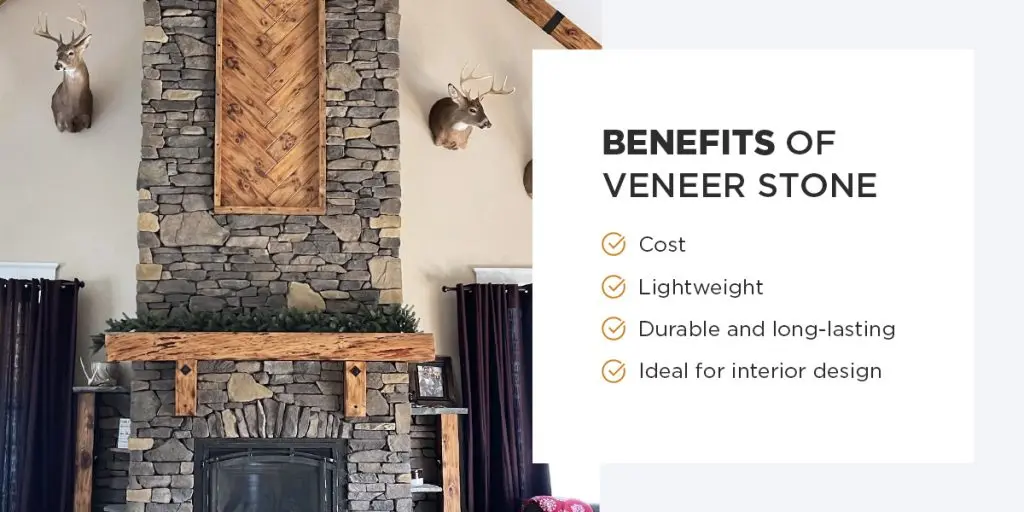
1. Aesthetic Versatility
From rustic farmhouses to sleek modern residences, stone veneer comes in a wide range of colors, textures, and sizes. Designers can combine different panels to create custom patterns, such as stacked stone accents above windows or a full‑height stone facade for a dramatic statement.
2. Cost‑Effectiveness
While natural stone can cost $30–$70 per square foot, stone veneer typically runs $8–$15 per square foot, plus labor. The lower weight reduces installation time, and many contractors can complete a standard 1,500 sq ft project in 3–4 days, translating into tangible savings for homeowners.
3. Weather Resistance & Longevity
Modern veneer mixes incorporate polymer additives that enhance water repellency and freeze‑thaw durability. The U.S. Department of Energy’s Building Design Guide notes that properly sealed stone veneer can last 30 years or more with minimal maintenance.
4. Low Maintenance Requirements
Unlike wood siding, stone veneer does not need frequent painting or sealing. An occasional power wash and a yearly inspection for cracked panels are typically sufficient to keep it looking fresh.
5. Eco‑Friendly Options
Some manufacturers now use recycled aggregates and low‑VOC binders, reducing the environmental impact. When paired with insulated sheathing, stone veneer can contribute to better thermal performance, supporting green building certifications such as ENERGY STAR®.
Installation Process: Step‑by‑Step Overview
While the veneer’s lightweight nature simplifies the job, proper installation is crucial to avoid moisture intrusion and ensure long‑term stability. Below is a concise guide for DIY‑savvy homeowners or contractors:
- Prepare the Substrate: Clean the existing wall, repair any damage, and apply a waterproof barrier (e.g., housewrap). If installing over wood, add a moisture‑resistant backer board.
- Mark Layout: Measure and mark horizontal and vertical reference lines to keep rows level and ensure a uniform appearance.
- Apply Mortar Bed: Mix a polymer‑enhanced mortar and spread a ¾‑inch layer using a trowel. This creates a strong bond and accommodates slight movement.
- Place Veneer Panels: Press each stone piece into the mortar, tapping gently with a rubber mallet. Leave a ¼‑inch expansion joint at corners and openings.
- Cutting & Trimming: Use a wet saw or angle grinder with a diamond blade to cut panels around windows, doors, and trim.
- Grout & Seal: Fill joints with the same mortar or a pre‑mixed grout, smooth with a pointing tool, and wipe excess. Apply a breathable sealant to protect against water penetration.
- Finishing Touches: Install trim pieces, caulk around edges, and clean the surface.
For a deeper dive into material costs and comparative analysis, see our Home Siding Guide 2026 which breaks down budgeting for various cladding options, including stone veneer.
Cost Breakdown: What to Expect in 2026
Understanding the total cost helps homeowners avoid surprises. Below is a typical expense range for a 2,000 sq ft home exterior:
- Material: $8–$15 per sq ft → $16,000–$30,000
- Labor: $4–$7 per sq ft (depending on region) → $8,000–$14,000
- Additional Supplies: Waterproof barrier, backer board, sealant → $1,200–$2,500
- Total Estimated Cost: $25,200–$46,500
These figures align with data from the Remodeling Magazine 2026 Cost Survey, which cites stone veneer as a mid‑range exterior cladding option—more affordable than natural stone but pricier than vinyl.
Comparing Stone Veneer to Other Siding Materials
| Feature | Stone Veneer | Vinyl Siding | Metal Siding | Hardie Plank |
|---|---|---|---|---|
| Initial Cost | $$ | $ | $$ | $$$ |
| Durability (years) | 30+ | 20–25 | 25–30 | 30+ |
| Maintenance | Low | Medium (paint) | Low (paint) | Low (repaint every 10‑15 yrs) |
| Fire Rating | Class A | Class B | Class A | Class A |
| Eco‑Friendly | Yes (recycled options) | Limited | Yes (recyclable metal) | Yes (fiber cement) |
For homeowners weighing their options, the Vinyl Siding 2026 Guide offers a comprehensive look at low‑maintenance alternatives, while the Metal Siding 2026 Complete Guide explores modern steel and aluminum choices.
Real‑World Case Study: A Mid‑Century Modern Renovation
Jane and Mark Davis, living in Austin, Texas, wanted to refresh their 1960s ranch‑style home without a full demolition. They opted for a combination of stone veneer on the front façade and metal siding on the side elevations. The project, completed in 2025, reduced their exterior renovation budget by 18 % compared to an all‑stone approach. Post‑installation, their energy bills dropped 7 % thanks to improved insulation from the veneer’s air‑trapping structure.
“The stone gave the curb appeal we dreamed of, while the metal kept the side walls sleek and low‑maintenance,” says Mark. Their experience underscores how blending materials can meet both aesthetic and functional goals.
Common Mistakes to Avoid When Installing Stone Veneer
- Skipping the Waterproof Barrier: Moisture can seep behind the veneer, leading to rot or mold.
- Improper Mortar Mix: Using a sand‑only mix reduces bond strength; polymer‑enhanced mortar is essential for durability.
- Uneven Expansion Joints: Failure to leave adequate gaps can cause cracking during temperature fluctuations.
- Neglecting Sealant: Unsealed joints accelerate water infiltration and staining.
- Overlooking Local Building Codes: Some jurisdictions require fire‑rating certifications for exterior cladding.
Future Trends: What’s Next for Stone Veneer Siding?
Industry forecasts suggest three major developments through 2028:
- Smart Integrated Panels: Manufacturers are embedding LED strips and temperature sensors within veneer panels for aesthetic lighting and structural monitoring.
- Ultra‑Thin Composite Veneer: New polymer‑reinforced composites promise thickness under ½ inch while retaining stone‑like texture, further reducing labor costs.
- Custom 3‑D Printing: Advances in large‑scale additive manufacturing enable homeowners to order bespoke stone patterns, expanding design possibilities.
These innovations will likely keep stone veneer at the forefront of exterior cladding, especially as homeowners seek personalized yet sustainable solutions.
Frequently Asked Questions
Can stone veneer be installed over existing vinyl siding?
Yes, as long as the vinyl is securely attached and a proper waterproof barrier is applied. However, you may need to reinforce the substrate with rigid foam or backer board to ensure a stable surface.
How does stone veneer affect home resale value?
According to the 2026 Real Estate Trends Survey by National Association of Realtors (NAR), homes with high‑quality exterior stone (including veneer) see an average 4‑6 % increase in appraised value compared to standard vinyl exteriors.
Is stone veneer fire‑rated?
Most premium stone veneers receive a Class A fire rating, the highest for exterior cladding, making them suitable for fire‑prone regions.
What maintenance does stone veneer require?
Generally a yearly inspection for cracked panels, cleaning with a mild detergent, and resealing every 5–7 years in high‑humidity climates.
Can I paint stone veneer?
While the veneer is pre‑colored, a breathable masonry paint can be applied for color changes. Use a paint formulated for cementitious surfaces to avoid trapping moisture.
Final Thoughts: Is Stone Veneer the Right Choice for You?
Stone veneer siding offers a compelling blend of visual impact, durability, and cost‑effectiveness that few other claddings can match. If you value a natural stone appearance without the structural challenges and high expense, and you’re prepared to follow proper installation protocols, this material can dramatically boost your home’s curb appeal and long‑term value. Pair it with complementary siding options—like the sleek metal panels highlighted in our Metal Siding 2026 Complete Guide—to create a balanced, modern aesthetic that stands the test of time.